Table of ContentsSee This Report about How Does Canadian Health Care WorkWhy Is Universal Health Care Bad Can Be Fun For AnyoneThe 4-Minute Rule for How Does Universal Health Care Work
A little-appreciated barrier to technology innovation includes technology itselfor, rather, innovators' tendency to be obsessed with their own gizmos and blind to competing ideas. While an innovative item may indeed provide a reliable treatment that would save cash, specific service providers and insurance companies might, for a variety of factors, prefer a completely various innovation.
The company's item, an instrument for performing noninvasive surgery to right heartburn disease, simplified a costly and complicated operation, enabling gastroenterologists to perform a procedure normally scheduled for surgeons (how many countries have universal health care). The gadget would have allowed surgeons to increase the number of acid reflux treatments they performed. However instead of going to the cosmetic surgeons to get their buy-in, the company targeted just gastroenterologists for training, setting off a grass war.
Without these compensation procedures in location, physicians and hospitals hesitated to rapidly adopt the brand-new treatment. Perhaps the most significant barrier was the company's failure to consider a powerful however less-than-obvious competing innovation, one that included no surgery at all. It was a technique that may be called the "Tums service." Antacids like Tumsand, even more successfully, drugs like Pepcid and Zantac, which had just recently come off patentprovided some relief and were considered excellent enough by numerous consumers.
Similarly, a business that established a cochlear implant for the exceptionally deaf was so captivated with the innovation that it didn't visualize opposition from militant sections of the hearing-impaired community that objected to the idea of a technological "fix" for Learn here deafness. The integration of health care activitiesconsolidating the practices of independent doctors, say, or integrating the disparate treatments of a particular diseasecan lower expenses and improve care - what does cms stand for in health care.
Numerous management firms that sought to horizontally integrate physician practices are now insolvent. And specialty facilities developed to Helpful resources vertically integrate the treatment of a particular illness, from prevention to treat, have actually usually lost money. Similar to consumer-focused innovations, ventures that experiment with brand-new organisation models frequently deal with opposition from regional hospitals, physicians, and other market players for whom such development postures a competitive danger.
Nonprofit health services service providers can not easily combine, since they tend to do not have the capital to buy one another. While capital is usually offered for funding for-profit ventures that are based upon horizontal debt consolidation, vertically incorporated companies might experience greater problems in securing financial investment, since there generally isn't repayment for integrated treatment of an illness (think of breast cancer).
How To Take Care Of Your Mental Health Can Be Fun For Anyone
Although Duke University Medical Center's specialized heart disease program minimized the typical expense of treating clients by $8,600, or about 40%, by enhancing their results and therefore their hospital admission rates, the center was punished by insurers, which pay for care of the sick and not for enhancing individuals's health status.
Technology likewise plays a part in the success or failure of such operations. Without a robust IT infrastructure, a company will not be able to deliver the promised benefits of combination. This might not be right away obvious to people in the health care market, which is near the bottom of the ladder in regards to IT spending and consistent information standards.
In each of the 12 markets where it opened in the late 1990s and early 2000s, the business faced resistance from general-purpose health centers. They argued that instead of offering less expensive care and much better results because of its specialized focus (as the company claimed), MedCath was simply skimming the profitable clients.
The resistance was further sustained by animosity amongst local physicians toward MedCath doctors, all of whom were part owners of the chain. The ownership issue likewise raised issues on another front. Spurred by arguments that conflicts of interest were inevitable at MedCath and other physician-owned hospitals, Congress in 2003 put a moratorium on the future growth of such facilities.
However companies are far from helpless. A few easy actions can place your service to prosper, regardless of the obstacles. Initially, acknowledge the six forces. Next, turn them to your advantage, if possible. If not, work around them, or, if required, concede that a specific innovative venture may not be worth pursuing, a minimum of in the meantime.
Guaranteeing that the 46 million or so uninsured people in the U.S. have health insurance would spur innovation by considerably increasing the size of the marketplace (how much is health care). However is it possible? Universal coverage is, after all, among the most contentious political issues http://arthusczoj.booklikes.com/post/3152378/get-this-report-about-the-role-of-public-policy-in-health-care-market-change of our time - what is a deductible in health care. Switzerland uses some possible responses.
The 5-Minute Rule for What Is Trump Doing About Health Care
Although the Swiss government constrains the style of benefits, Swiss insurance companies have higher incentives to react to consumer requirements than do U.S. insurers, which sell mostly to companies or to government-based organizations. Switzerland's excellent health care system costs only 11% of GDP, versus 16% for the United States. More detail on the Swiss experience can be discovered in a short article I coauthored, "Consumer-Driven Health Care: Lessons from Switzerland" (Journal of the American Medical Association, September 8, 2004).
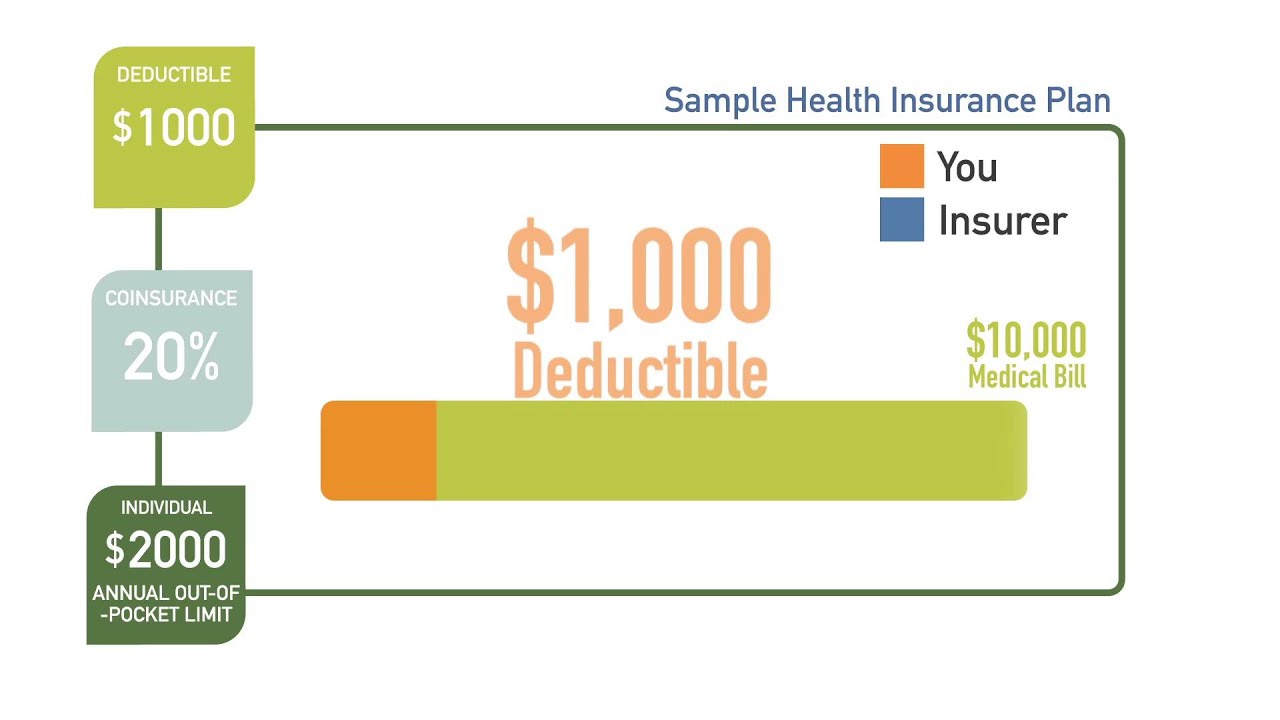
consumers control over their health insurance coverage spending would change the health insurance market, much better lining up customers' and innovators' interests. We are currently seeing this in the case of the increasingly popular low-cost, high-deductible medical insurance policies used by lots of employers. To develop a totally consumer-driven system, we 'd require to change tax laws preferring employer-based insurance coverage with specific tax credits for health insurance spending, thereby triggering the transfer of funds that employers currently spend on employee health insurance coverage to the staff members themselves.
Believe of Duke University Medical Center's innovative heart disease program: The problem has been that the more patients it could effectively deal with without prolonged and costly medical facility admissions, the less money it would make in insurance coverage compensation. Disincentives to offer lower-cost care are typical; making clients healthy normally doesn't pay.
In a consumer-driven health care market, how can you shop if you do not know the prices or, more important, the quality of what you're purchasing? The very best mechanism for transparency exists in the monetary markets in the type of the U.S. Securities and Exchange Commission. While it has its defects, the SEC usually guarantees that consumers have sufficient info by needing companies to publish monetary results that are verified by an independent auditor.
MinuteClinic, a Minneapolis-based chain of walk-in centers found in retail settings such as Target shops, avoided a few of the obstacles that hobbled Health Stop in its effort at consumer-focused innovation. Like Health Stop, MinuteClinic offers standard health care designed with the needs of cost-conscious and time-pressed customers in mind. It features short waits and low priceseven lower than Health Stop's, since MinuteClinic treats only a restricted set of typical ailments (such as strep throat and bladder infections) that do not require costly devices.
Since care is provided by nurse professionals, the business does not represent a direct competitive hazard. Although some physicians have whined that nurse professionals may stop working to identify more serious issues, especially in infants, there has actually been no extensive outcry against MinuteClinic, making the facility of in-network relationships with major health insurance relatively easy.